

A standard baseball card dimensions has a width of 2.5 inches (63.5 mm) and a height of 3.5 inches (88.9 mm). The size was established by Topps in 1957, and it has become the standard for most other manufacturers. However, when buying sleeves, creating a custom card, or organizing your collection, the size is not the only thing to consider. Cards of different ages and thicknesses may have a different fit.
At Propackinsights, we think about the dimensions of the product from the inside out, like any packaging professional would. This article will provide you with standard sizes in both imperial and metric systems, as well as discuss other factors that could influence the size of a baseball card, such as thickness, vintage status, and more.
Baseball Card Size at a Glance
| Unit | Width | Height |
| Inches | 2.5 | 3.5 |
| Millimeters | 63.5 | 88.9 |
| Centimeters | 6.35 | 8.89 |
| Pixels at 300 DPI | 750 | 1,050 |
To convert any card measurement yourself, multiply inches by 25.4 for millimeters, or by 2.54 for centimeters.
What Is the Standard Baseball Card Size?
The modern standard is 2.5 x 3.5 inches, set by Topps in 1957 when it trimmed down from the larger cards it had been making. The size stuck for practical reasons. It prints efficiently on large sheets, slides into sleeves and binder pages, and fits neatly into the boxes that grew up around the hobby.
One thing worth knowing: “standard” really means “since 1957.” Earlier cards came in a mix of sizes, which is covered below.
How Big Is a Baseball Card?
Compared with everyday objects, a baseball card is a little bigger than a credit card, which measures about 3.37 x 2.13 inches. It shares its footprint with poker-size playing cards and with trading card games like Pokémon and Magic, which use roughly 63 x 88 mm. If you work with several card types, our playing card size guide covers the deck-side measurements.
A quick note for anyone who landed here searching “baseball size in cm”: the ball itself is about 7.3 to 7.5 cm across, which has nothing to do with the card.
Baseball Card Thickness (Points Explained)
Thickness is where most buying mistakes happen. Card thickness is measured in points (pt), and one point equals 0.001 inch, or 0.0254 mm. Standard cards are thin enough for a 35 pt holder. Thicker memorabilia and patch cards need more room, and holders are sold by this rating.
| Holder rating | Inches | Millimeters | Fits |
| 35 pt | 0.035 | 0.89 | Standard cards |
| 55 pt | 0.055 | 1.40 | Thicker relic and patch cards |
| 75 pt | 0.075 | 1.91 | Thicker relic and patch cards |
| 100 pt | 0.100 | 2.54 | Thicker relic and patch cards |
| 130 pt | 0.130 | 3.30 | Extra-thick memorabilia cards |
The rule is simple: pick a holder rated at or above your card’s thickness. Forcing a thick card into a thin holder can crush the corners.
Vintage Baseball Card Sizes
Older cards often break the 2.5 x 3.5 rule, and that matters if you’re shopping for sleeves.
| Era / set | Size (inches) | Size (mm) |
| T205 tobacco cards (1911) | 1 7/16 x 2 5/8 | 36.5 x 66.7 |
| Bowman (1948 to 1950) | 2 1/16 x 2 1/2 | 52.4 x 63.5 |
| Bowman (1951 to 1952) | 2 1/16 x 3 1/8 | 52.4 x 79.4 |
| Topps (1952 to 1956) | 2 5/8 x 3 3/4 | 66.7 x 95.3 |
| Topps (1957 to present) | 2 1/2 x 3 1/2 | 63.5 x 88.9 |
The 1952 to 1956 Topps cards are noticeably larger than modern ones. A card taller than 3.5 inches usually won’t fit a standard sleeve, so look for sleeves labeled for vintage or oversized cards.
Mini, Oversized and Odd-Sized Cards
Not every modern card follows the standard either. Promotional cards, box toppers, mini parallels, and oversized inserts all exist, and their sizes vary by set. If a card looks different, measure it before buying holders, because there’s no single size to assume.
What Fits? Sleeves, Top Loaders and Binder Pages
| Holder | Best for | Note |
| Penny sleeve | Standard 2.5 x 3.5 cards | A thin first layer against scratches |
| Top loader (35 pt) | Standard-thickness cards | Rigid protection, commonly about 3 x 4 in outside |
| Thicker top loader or magnetic holder (55 to 130 pt) | Relic and patch cards | Match the pt rating to the card |
| Binder page | Standard cards | Check fit if the card is already sleeved |
Always check the product label, since exact holder dimensions vary by brand.
Print Specs for Custom Baseball Cards
If you’re designing your own, these numbers keep a print shop happy.
| Spec | Inches | Pixels at 300 DPI |
| Trim size (final card) | 2.5 x 3.5 | 750 x 1,050 |
| With bleed (0.125 in per side) | 2.75 x 3.75 | 825 x 1,125 |
| Safe zone (0.125 in inside trim) | 2.25 x 3.25 | 675 x 975 |
Extend backgrounds to the bleed so a small cutting shift doesn’t leave a white edge. Keep faces and text inside the safe zone so nothing gets clipped. Corners are typically rounded to about 1/8 inch, but confirm the exact radius with your printer.
How to Measure a Baseball Card
- Place the card horizontally on a solid surface.
- Measure the short side for width, and the long for height.
- Use calipers or test in a holder for thickness.
- Round to the nearest 1/16th of an inch or half a millimeter.
Cards that are older or hand cut may have some variations, so don’t be concerned if there are a few discrepancies. If you ever have questions about which direction is the length and which is the width, or what constitutes the height, our guide to length, width, and height will help you.
How Much Does a Baseball Card Weigh?
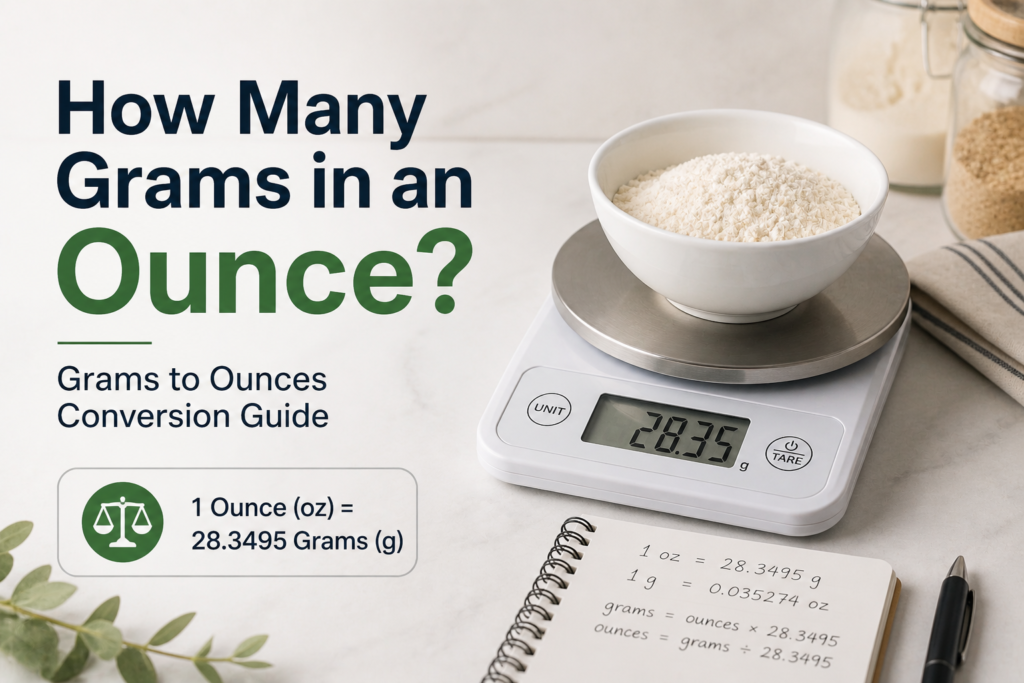
Most modern cards weigh between 1.5-2.5 grams or 0.05-0.09 oz. Cards with foil, holographic elements, heavy stock paper, or embedded memorabilia often weigh more. If you want to weigh your own cards, do so in groups of ten due to the cards being too light to get an accurate reading on a kitchen scale. To convert grams to ounces, use our guide on grams to ounces conversions.
Packaging and Storage for Baseball Cards
The standard protection ladder for baseball cards is first a penny sleeve, then a top-loader or magnetic holder, and finally a box or binder. Cards for shipping always need to be flat and rigid, so tucking them between stiff cardboard within a heavy-duty mailer is recommended, as most bends and creases occur during transit.
For larger collections, a storage box is recommended instead to keep cards upright, and within easy reach. To find the right size, consult our guide to the dimensions of Bankers Box.
FAQs
What is the standard baseball card size?
2.5 inches wide by 3.5 inches tall, which is 63.5 x 88.9 mm.
How thick is a baseball card?
Most standard cards fit a 35 pt holder, about 0.89 mm. Relic and patch cards can run from 55 pt to 130 pt or more.
Did baseball cards always have the same size?
No. The 2.5 x 3.5 inch standard began in 1957. Earlier sets, including 1952 to 1956 Topps, used different sizes.
Are baseball cards the same size as Pokémon or playing cards?
Yes, they share the 2.5 x 3.5 inch footprint, though thickness and corner shape can differ.
What size sleeve fits a baseball card?
A standard penny sleeve fits modern cards. Vintage cards larger than 3.5 inches need oversized or vintage sleeves.

Pingback: Length, Width, and Height Explained: Correct Dimension Guide
Pingback: Playing Card Size Guide: Dimensions, Measurements