

Have you ever looked at a product description and wondered what “L × W × H” actually means? You’re not alone. At ProPackInsights, one of the most common questions we encounter from packaging buyers, e-commerce sellers, and product manufacturers is how to identify length, width, and height correctly and what order dimensions should be listed in.
Whether you’re measuring a shipping box, designing custom packaging, ordering storage containers, or checking product specifications, understanding dimensions can save time, prevent costly mistakes, and ensure accurate sizing.
In this guide, we’ll explain the difference between length, width, height, and depth, show the standard measurement order, and provide practical examples you can apply immediately.
What Are Length, Width, and Height?
Length, width, and height are the three primary dimensions used to describe the size of an object.
Length
Length is typically the longest side of an object when viewed from the front or top.
Width
Width refers to the side-to-side measurement across an object.
Height
Height measures the vertical distance from the bottom to the top.
Together, these dimensions provide a complete understanding of an object’s size.
Length Width Height Example
Imagine a cardboard shipping box:
- Length = 12 inches
- Width = 8 inches
- Height = 6 inches
The dimensions would be written as:
12″ × 8″ × 6″ (L × W × H)
This is one of the most common ways dimensions are displayed across packaging, manufacturing, and retail industries.
What Is the Correct Order of Dimensions?
One of the most searched questions online is:
“What comes first, length or width?”
The standard order is:
Length × Width × Height (L × W × H)
For example:
- 20″ × 15″ × 10″
- 100 cm × 50 cm × 25 cm
This format is widely accepted in:
- Packaging
- Product manufacturing
- E-commerce
- Furniture
- Shipping
Measurement Order Length Width Height
When dimensions are presented without labels, the default assumption is:
Length → Width → Height
This is why many product listings use L × W × H as the standard format.
Is Height or Width Listed First?
This depends on the industry.
Most packaging and shipping applications use:
Length × Width × Height
However, some industries may display:
Height × Width × Depth (H × W × D)
This format is commonly used for:
- Electronics
- Cabinets
- Monitors
- Appliances
For example:
- Television dimensions
- Refrigerators
- Storage units
Always check which dimension format is being used before making purchasing decisions.
Length vs Width: What’s the Difference?
Many people confuse length and width because both are horizontal measurements.
Length
- Usually the longest side
- Runs from front to back
Width
- Usually the shorter horizontal side
- Runs from left to right
Simple Example
A dining table measuring:
- 72 inches long
- 36 inches wide
Would have:
- Length = 72″
- Width = 36″
In this case, the length is clearly greater than the width.
Is Length the Same as Height?
No.
Length and height measure completely different directions.
| Dimension | Direction |
| Length | Front to back |
| Width | Side to side |
| Height | Bottom to top |
Height always represents the vertical measurement.
For example:
A bookshelf could have:
- Length = 30″
- Width = 12″
- Height = 72″
The height is the vertical dimension extending upward.
What Is Depth and How Is It Different?
Depth is often used instead of length depending on the product type.
Many people ask:
“Is depth the same as length?”
The answer is: sometimes.
For objects viewed from the front:
- Width = Left to right
- Height = Bottom to top
- Depth = Front to back
Height Width Depth Order
Many manufacturers list dimensions as:
Height × Width × Depth (H × W × D)
Example:
- 60″ × 24″ × 18″
This means:
- Height = 60″
- Width = 24″
- Depth = 18″
Understanding the dimension order is essential because reversing two measurements can completely change the perceived size of a product.
How to Measure Length, Width, and Height Correctly
If you’re measuring a box, package, or product, follow these steps:
Step 1: Measure Length
Find the longest side and measure it from one end to the other.
Step 2: Measure Width
Measure the shorter side running perpendicular to the length.
Step 3: Measure Height
Measure vertically from the base to the highest point.
Example
A packaging box measures:
- Length = 18″
- Width = 12″
- Height = 8″
Written as:
18 × 12 × 8 inches
This is the correct L × W × H format.
Real-World Experience: Packaging Measurement Mistake
While reviewing custom packaging specifications for a retail product, we encountered a situation where a supplier interpreted dimensions as Width × Length × Height instead of Length × Width × Height.
The result was a box produced with incorrect proportions, causing product fit issues and additional production costs.
This experience highlights why dimension order should always be clearly labeled rather than assumed.
Real-World Experience: Shipping Cost Differences
Another example involved an e-commerce seller shipping collectible products.
The seller measured the internal dimensions of the box but submitted the external dimensions incorrectly to a shipping carrier.
Because shipping rates often depend on dimensional weight, the mistake resulted in higher shipping charges.
Understanding length, width, and height correctly can help businesses avoid unexpected costs.
Why Dimension Order Matters in Packaging
Accurate dimensions affect:
- Product protection
- Storage efficiency
- Shipping rates
- Manufacturing costs
- Retail presentation
For example, when packaging trading cards, dimensions must match the product precisely. Our guide on Playing Card Size explains how accurate measurements help ensure proper packaging and storage.
Similarly, collectors often rely on exact sizing when storing sports memorabilia. You can learn more in our guide on Baseball Card Dimensions.
Understanding Dimensions in Everyday Products
Dimensions are used in almost every industry.
Examples include:
Packaging Boxes
Length × Width × Height
Furniture
Width × Depth × Height
Televisions
Height × Width × Depth
Storage Containers
Length × Width × Height
Cigarette Cartons
Manufacturers rely on exact dimensions when determining packaging layouts. If you’re curious about carton packaging, check out our article on How Many Cigarettes Are in a Pack and Carton.
Measurement Conversions
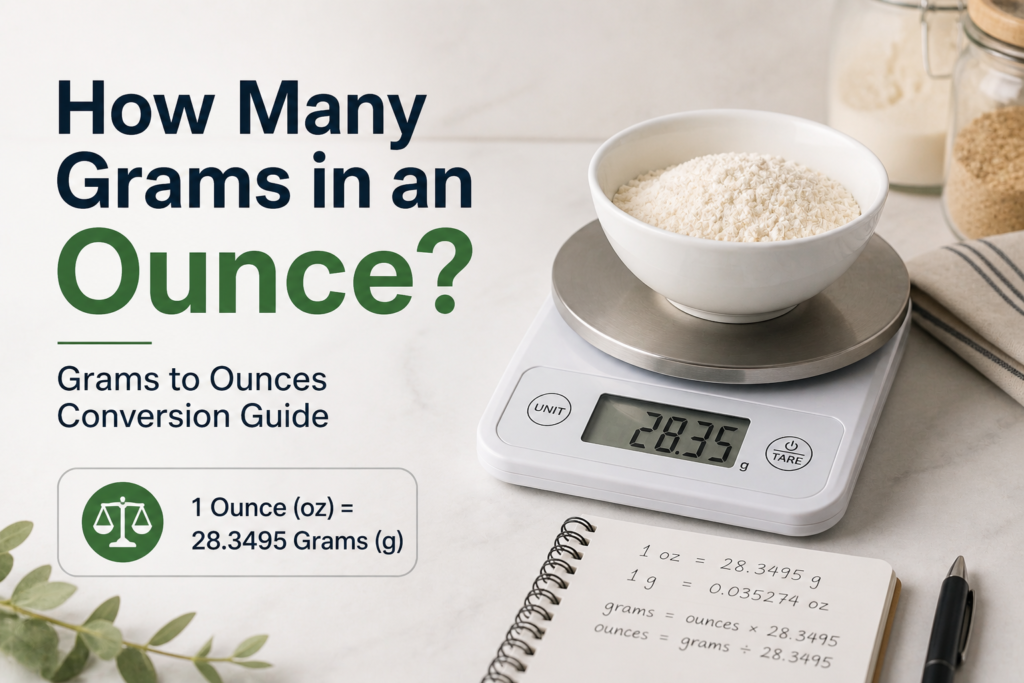
Understanding dimensions often goes hand in hand with weight and volume conversions. Our guide on How Many Grams in an Ounce can help when dealing with product measurements and packaging specifications.
Conclusion
Understanding length, width, and height is essential for accurate product measurements, packaging design, shipping calculations, and manufacturing. While the standard measurement order is Length × Width × Height, some industries use Height × Width × Depth, making it important to verify the format being used.
Whether you’re sizing a shipping box, comparing product specifications, or designing custom packaging, knowing how dimensions work helps prevent mistakes and ensures consistency across projects.
FAQs
What comes first, length or width?
The standard order is Length × Width × Height (L × W × H).
Is height or width first?
In most packaging applications, neither comes first because the order is Length × Width × Height. However, some industries use Height × Width × Depth.
What is the difference between length and width?
Length is typically the longest horizontal measurement, while width is the shorter horizontal measurement.
Is depth the same as length?
Sometimes. Depth often replaces length when describing objects from a front-facing perspective.
How do you measure length, width, and height?
Measure the longest side for length, the shorter side for width, and the vertical side for height.
What order are dimensions listed?
The most common order is:
Length × Width × Height (L × W × H)

Pingback: Bankers Box Dimensions: Standard Sizes, Measurements Guide
Thanks for ones marvelous posting! I certainly enjoyed reading it, you are a great
author.I will always bookmark your blog and will often come back at some
point. I want to encourage you to ultimately continue your
great writing, have a nice morning!
Pingback: mL to Oz Conversion: Chart, Formula & Common Examples
Pingback: Mason Jar Sizes: Chart, Dimensions, Ounces & Guide
Pingback: What Does Collate Mean When Printing? Full Guide
Pingback: Baseball Card Size Guide: Dimensions & Measurements