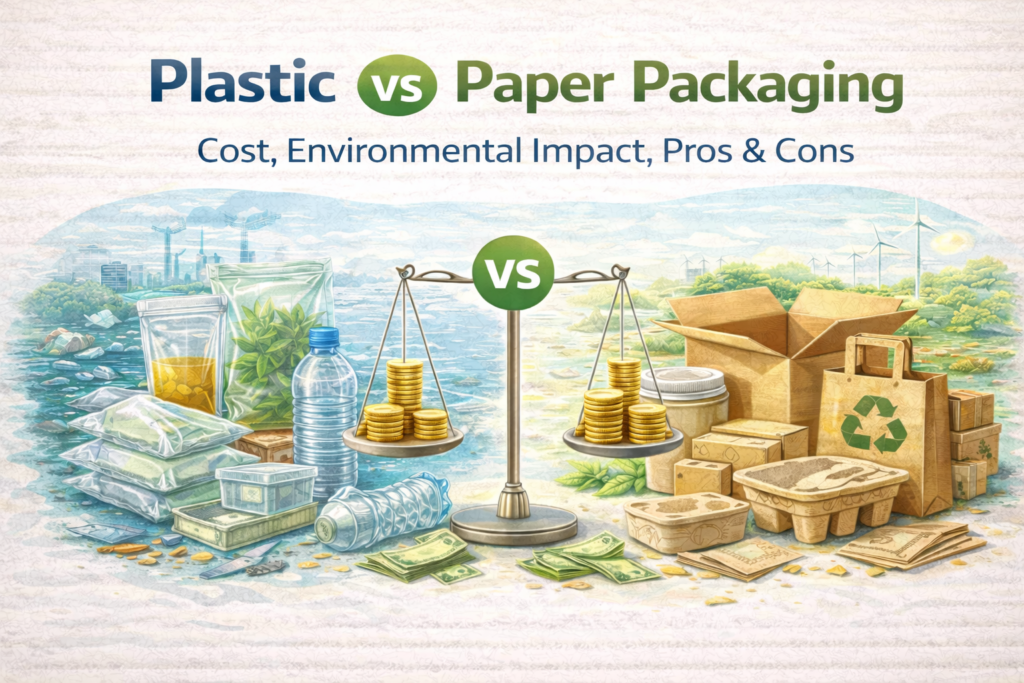
Packaging plays a major role in modern commerce, especially in food delivery, ecommerce, and retail distribution. Businesses today are increasingly comparing plastic versus paper packaging to determine which solution offers better cost efficiency and environmental impact.
At ProPackInsights, we analyze packaging materials, sustainability trends, and industrial innovations to help businesses choose the right packaging solutions. Understanding the differences between plastic and paper packaging helps companies improve sustainability strategies while maintaining product protection and affordability.
This guide compares plastic vs paper packaging, including cost differences, environmental impact, and practical applications across industries.
Plastic Versus Paper Packaging: Understanding the Basics
The debate around plastic versus paper packaging has intensified due to environmental concerns and global sustainability initiatives.
Plastic packaging is widely used because of its durability and moisture resistance. Meanwhile, packaging with paper has gained popularity as businesses adopt eco-friendly packaging alternatives.
Common examples include:
Plastic packaging
- Flexible plastic pouches
- Plastic food containers
- Plastic seal packaging
Paper packaging
- Paper pouches
- Paper takeout containers
- Paper food storage containers
- Paper containers with lids
Both materials offer unique advantages depending on the product, storage requirements, and environmental goals.
Cost Comparison: Plastic vs Paper Packaging
When companies evaluate plastic paper packaging options, cost is often the deciding factor.
Plastic Packaging Cost
Plastic packaging is generally cheaper because:
- Production costs are lower
- Materials are lightweight
- Large-scale manufacturing is efficient
Plastic is often used for:
- Food packaging
- Ecommerce poly mailers
- Flexible packaging films
Paper Packaging Cost
Paper packaging is typically more expensive because:
- Manufacturing requires more energy
- Paper materials are heavier than plastic
- Transportation costs may be higher
However, many brands accept the higher cost because packaging with paper improves sustainability branding.
Businesses that sell eco-friendly products often compare price vs quality in eco-friendly snack boxes before selecting packaging materials.
Environmental Impact: Is Paper Better Than Plastic?
One of the most common questions businesses ask is:
Is paper better than plastic?
The answer depends on how the materials are produced, used, and recycled.
Plastic Environmental Impact
Plastic packaging advantages:
- Requires less energy to produce
- Lightweight, reducing transportation emissions
- High durability
However, plastic has major environmental challenges:
- Slow decomposition
- Ocean pollution
- Limited recycling in many regions
Paper Environmental Impact
Many companies prefer paper over plastic because it is perceived as more environmentally friendly.
Benefits of paper packaging:
- Biodegradable material
- Easier to recycle
- Derived from renewable resources
For example, paper food storage containers and paper takeout containers are commonly used in restaurants to reduce plastic waste.
However, paper production can require significant water and energy resources.
Why Paper Bags Are Better Than Plastic Bags
Many governments and retailers now promote why paper bags are better than plastic bags.
Key reasons include:
- Paper bags decompose faster than plastic
- They are easier to recycle
- They come from renewable materials like wood pulp
This shift has encouraged many brands to adopt paper pouches, paper bags, and other sustainable packaging formats.
Reusable Alternatives to Plastic Packaging
Companies looking for sustainable packaging often explore reusable alternatives to plastic.
Some popular solutions include:
- Reusable glass containers
- Metal packaging
- Compostable paper packaging
- Biodegradable packaging materials
Reusable packaging reduces waste while improving sustainability performance.
Paper Packaging Applications in the Food Industry
Paper packaging is widely used in the food industry because of its eco-friendly appeal.
Common examples include:
Paper Food Storage
Many food businesses rely on paper food storage containers because they are recyclable and safe for short-term storage.
Paper Takeout Containers
Restaurants often use paper takeout containers to package meals for delivery or takeaway orders.
Paper Containers With Lids
These containers are used for:
- Salads
- Noodles
- Rice meals
- Desserts
They provide convenient food storage while reducing plastic waste.
Is Cardboard Eco Friendly?
Cardboard is often considered a sustainable packaging material.
Is cardboard eco friendly?
Yes, because:
- It is recyclable
- It is biodegradable
- It can be made from recycled paper fibers
Corrugated cardboard boxes are widely used in ecommerce shipping because they balance sustainability with durability.
Industrial Packaging Processes
Behind the scenes, many packaging materials are created through specialized manufacturing processes.
Plastic Paper Converting
Plastic paper converting refers to the process of transforming raw materials into finished packaging products such as pouches, cartons, and containers.
These processes allow manufacturers to combine advanced package with different raw materials to create packaging that offers durability, flexibility, and sustainability.
Paper Packaging Innovations
Paper packaging is evolving rapidly as companies invest in sustainable alternatives.
Innovations include:
- Water-resistant paper packaging
- Compostable paper coatings
- Advanced paper pouches
- Hybrid paper-plastic packaging
These innovations aim to make packaging is better for the environment than traditional packaging systems.
Choosing Between Plastic and Paper Packaging
When selecting packaging materials, businesses should evaluate several factors.
Key considerations include:
- Product protection requirements
- Shipping costs
- Environmental impact
- Branding strategy
- Regulatory requirements
For example:
- Food products may require moisture-resistant plastic packaging
- Restaurants may prefer paper takeout containers
- Sustainable brands often choose paper over plastic to align with environmental values
Learn More About Packaging Materials
If you want to explore more packaging insights, you can read our detailed guides:
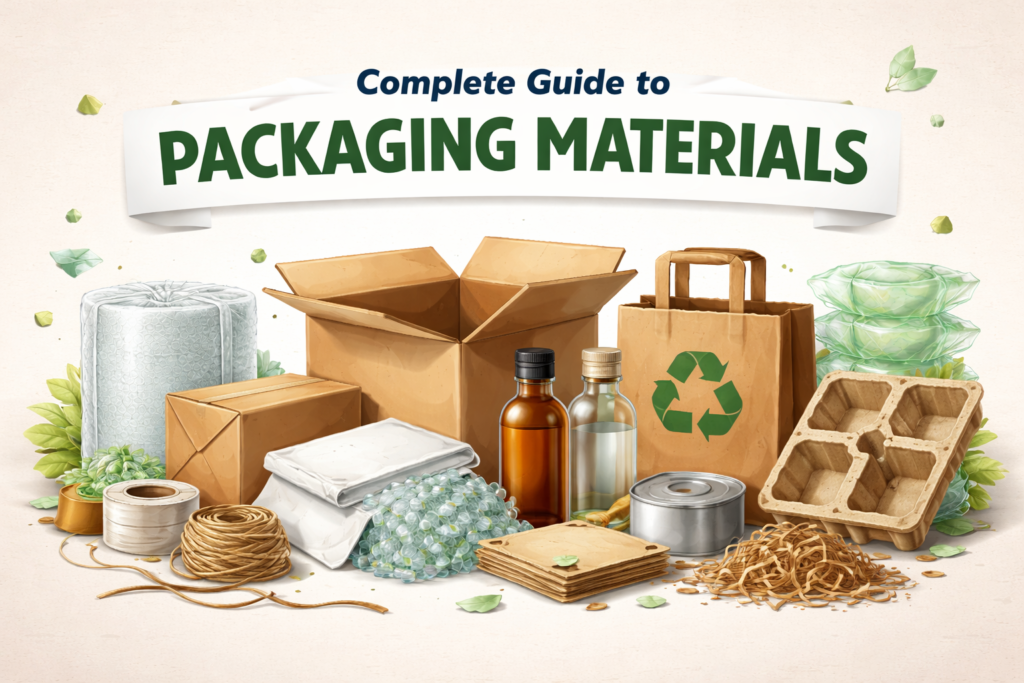
Complete Guide to Packaging Materials
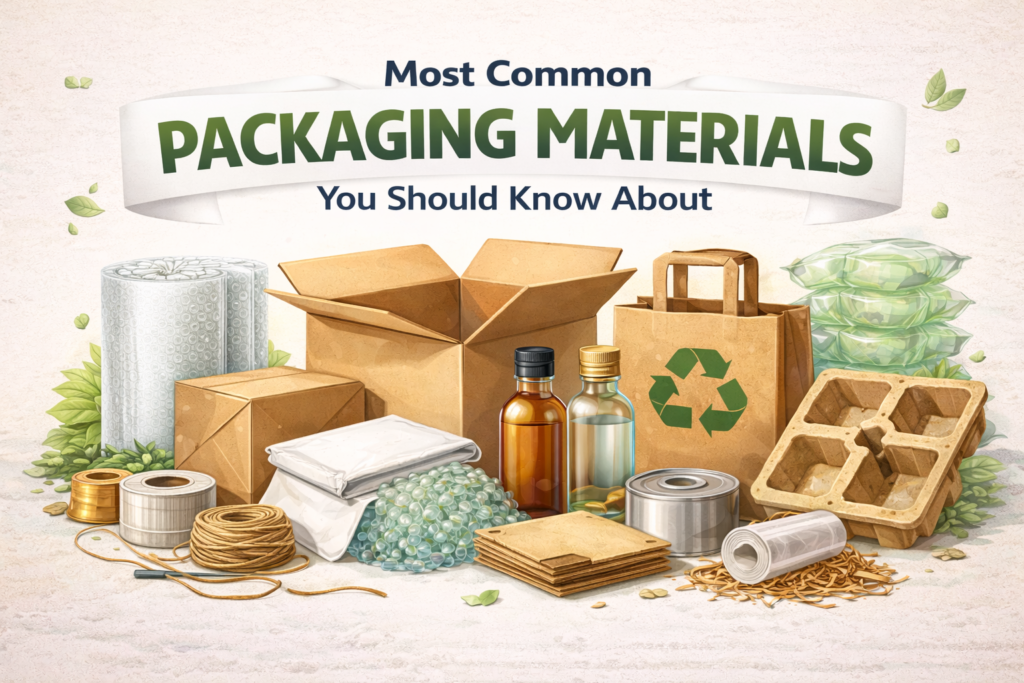
Most Common Packaging Materials You Should Know About
These articles explain the most widely used packaging materials and how businesses choose the right solutions.
Conclusion
The debate between plastic versus paper packaging continues as companies balance cost, sustainability, and performance.
Plastic offers durability and affordability, while packaging with paper provides environmental benefits and stronger sustainability branding.
As businesses explore reusable alternatives to plastic, innovations in paper packaging and biodegradable materials are shaping the future of packaging.
At ProPackInsights, we continue to analyze global packaging trends, materials, and technologies to help businesses make informed packaging decisions.